Norika GmbH

·

Parkweg 4, DE-18190 Sanitz

Hydra

Hydra

Late but strong and multiresistant starch variety
  • dual use: starch and dehydrated products
  • production of flakes possible because of low to moderate sugar levels
  • multi resistance against nematodes and potato wart desease
  • very high resistance agains rust spots

Production Utilization

dehydrated products
starch

Maturity

medium late

Tuber properties

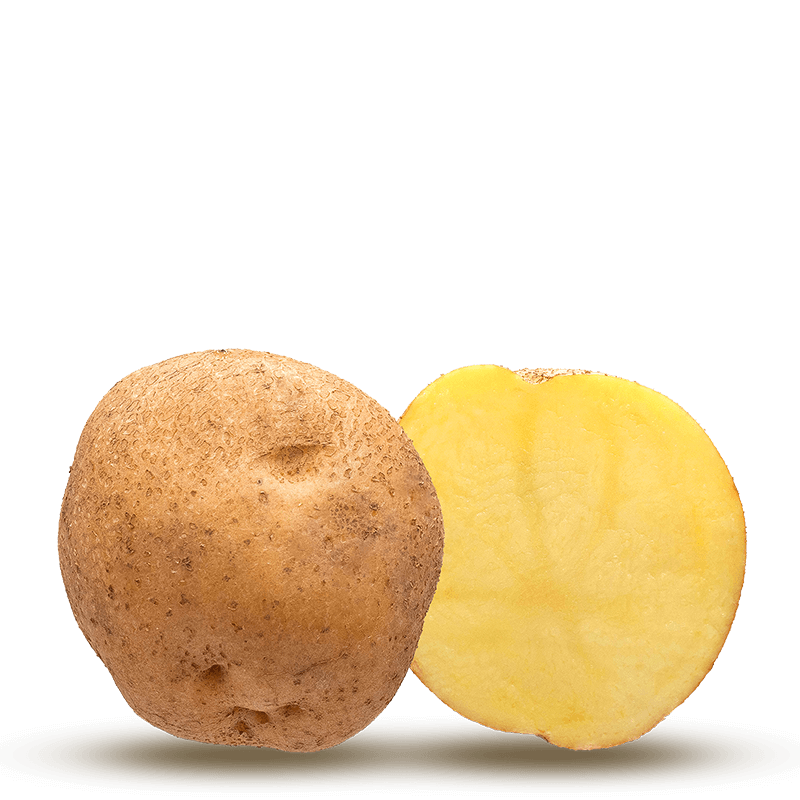
Tuber shape:
roundoval
Flesh color:
crème
Skin appearance:
rough / yellow
Eye prominence:
medium to deep

Inclination | Susceptibility

Rhizoctonia:
low
Tuber rot:
low
Foliar late blight:
medium
Raw discoloration:
low

Resistances

Nematodes:
Ro 1, Ro 2/3, Ro 4, Pa 2, Pa 3
Resistance to wart diseases:
1 (D1), 2 (G1), 6 (O1), 18 (T1), 38 (according to Dutch testing)
y-virus:
very high
leafroll virus:
medium

starch & dehydrated products: Production specifications

Location:
all type of soil
Planting material preparation:
it is recommended to condition and prepare the seed
Chemical seed treatment:
recommended against rhizoctonia
Plant canape development:
uniform emergence with rapid foliage development
light soil:
34 cm | 39,000 pcs/ha
Heavy soil:
32 cm | 42,000 pcs/ha
Planting depths + hill shape:
local planting depth with accurate ridge structure

Fertilization

Nitrogen (N):
160-180 kg/ha incl. Nmin
split the N application, especially on light and irrigated locations
Phosphorus (P2O5):
80-100 kg/ha
Potassium (K2O):
250-300 kg/ha
use chloride-free potassium fertilizer to ensure high starch content; split the potassium application on light and/or irrigated soils
Magnesium (MgO):
80-100 kg/ha

Plant protection

Herbicides:
usage of herbicides containing metribuzin is possible before emergence
Fungicides:
according to local warning service (if available)
Insecticides:
according to local warning service (if available)
At harvest considerations:
carefull harvesting; avoid tuber temperatures <10°C; check skin set before harvesting
Storage:
medium dormancy with medium to good storability